Blog
Reviewed stories on scientific breakthroughs and what they mean for human life and dignity.
-
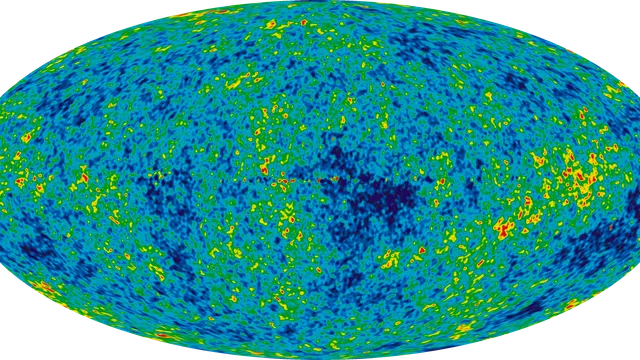
Supernova and BAO Data Show 2–4σ Deviations from Standard Cosmic Geometry
Three April 2026 arXiv papers report mild-to-moderate violations of FLRW geometry tests using Pantheon+ and DESI data; a 1,675-respondent APS survey finds no majority on dark energy or the Hubble tension.
-

Humans Are Still Evolving, and in Some Bizarre Ways
Five recent studies show natural selection still at work in living people: Turkana kidneys tuned for 1.5 liters of water a day, Bajau spleens 50% larger for diving, skin that lightened in under 40,000 years, myopia genes spreading within 25 years, and a shift from genetic to cultural inheritance.
-

The fog is alive—and it may be scrubbing toxins from the air
A 2026 mBio study finds bacteria growing inside radiation fog droplets and degrading formaldehyde 200 times faster than measured before, recasting fog as a living aquatic habitat.
-

Open science works best when researchers help write the rules
A 2025 Science and Public Policy study by Erika Lilja finds that open-science mandates succeed only when they respect how researchers actually weigh ethics—what to share, when, and with whom.
-
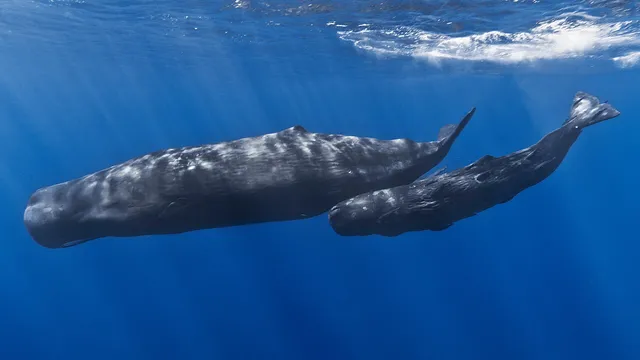
Sperm whale “vowels” and human-like phonology—what the 2026 study adds
Project CETI’s April 2026 paper shows whale clicks pattern like human vowels—not random noise, but still not a translated language.
-
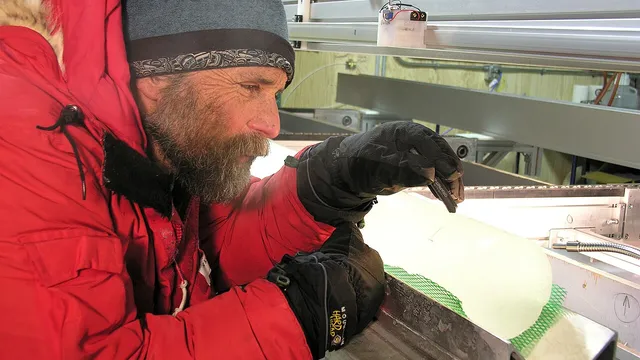
The galaxy left a receipt in Antarctic ice—and we finally read it
A 2026 Physical Review Letters study traces supernova iron-60 through 80,000 years of frozen snow, mapping the Solar System’s drift into the Local Interstellar Cloud.
-

Digitizing heritage is preservation—not replacement
From endangered languages to museum collections, digital archives extend cultural memory. They work best when communities stay in charge.
-
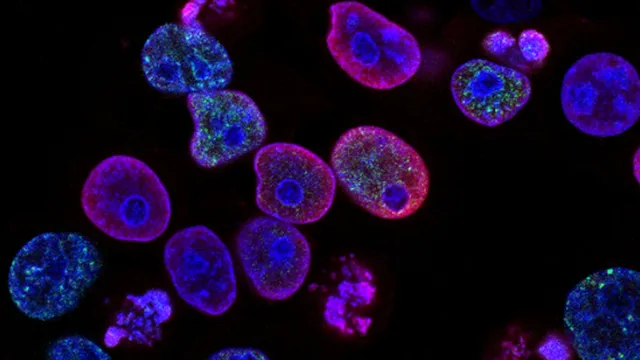
Epigenetic clocks are maturing—what they can (and cannot) tell us about aging
Biological age tests are leaving the lab. Here is how to read the science without mistaking a score for a cure.
-
Whales may use a combinatorial “phonetic” code—what the 2024 study actually found
MIT and Project CETI analyzed thousands of sperm whale codas and found structured variation—not decoded language, but a step toward understanding other minds.