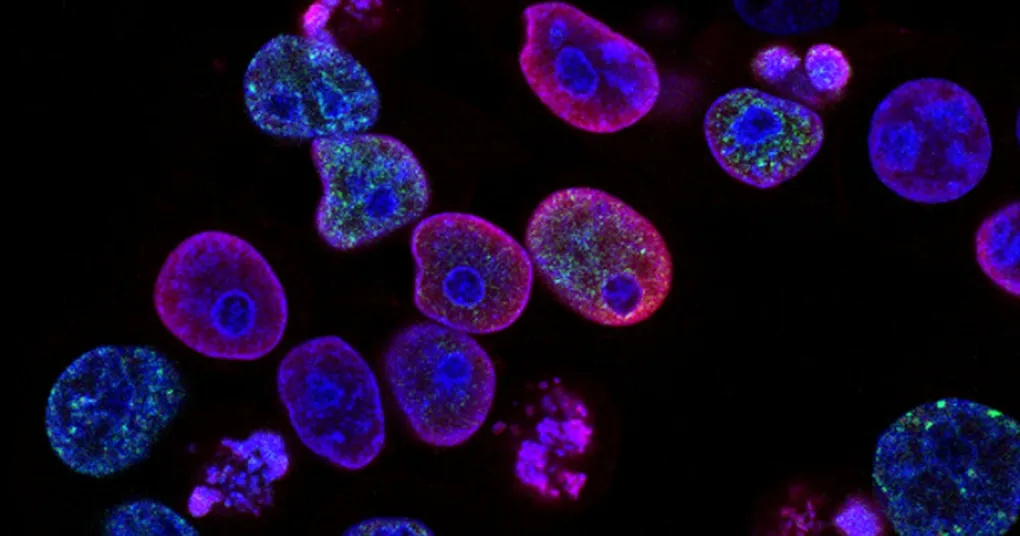
Epigenetic clocks are maturing—what they can (and cannot) tell us about aging
How old are you? Your birth certificate answers in calendar years. Your cells may tell a different story.
Epigenetic clocks estimate biological age from chemical marks on DNA—especially methylation patterns that change with age, stress, and disease. Over the last decade, clocks have moved from research curiosity toward clinics, wellness marketing, and longevity trials. That visibility is progress—but only if we read the numbers carefully.
What we know
- Methylation patterns correlate with age and health risk across large population studies. Some clocks predict mortality and disease risk better than chronological age alone.
- Different clocks measure different things. “GrimAge,” “PhenoAge,” and organ-specific clocks are not interchangeable; comparing scores without context misleads.
- Interventions can shift clock readings in trials—for example, lifestyle changes and some drugs show small but measurable effects in controlled settings.
What we do not know
- A lower clock score is not yet proof you will live longer. Association in populations does not guarantee personal benefit from every product sold as “anti-aging.”
- Commercial tests vary in quality. Not all consumer kits are validated to the same standard as research assays.
- Cause and effect is hard. Methylation can reflect smoking, infection, sleep loss, or genetics. A single number rarely tells you which lever to pull.
Why this matters for human flourishing
Longevity research is not vanity—it is the science of compressing morbidity: fewer years of frailty, more years of capability. Reliable biomarkers help trials run faster and cheaper, focusing resources on interventions that actually slow damage rather than hype.
The human stake is personal: millions watch parents age; millions hope for healthier later decades. Epigenetic clocks are tools for measuring that hope, not fulfilling it by themselves.
A reader’s checklist
When you see a biological age result, ask:
- Which clock was used, and was it validated for your demographic?
- What changed since your last test—sleep, illness, medication?
- Is someone selling a supplement based on a single score?
Healthy skepticism is not pessimism. It is how progress journalism earns trust—celebrating real measurement while refusing magic numbers.
Drafts may be assisted by AI. Every published article is reviewed and edited by a named member of our staff before publication.