Tools of Progress
CRISPR, AI-for-science, energy, and open research
-
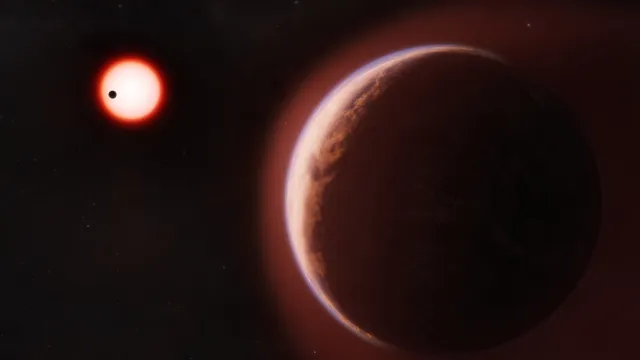
A Rocky Planet in a Habitable Zone Still Has an Atmosphere
Cherubim et al. report helium escaping from LHS 1140 b, about 48 light-years away: the first clear atmospheric signal from a rocky world in another star’s habitable zone, seen from a ground telescope in Chile.
-
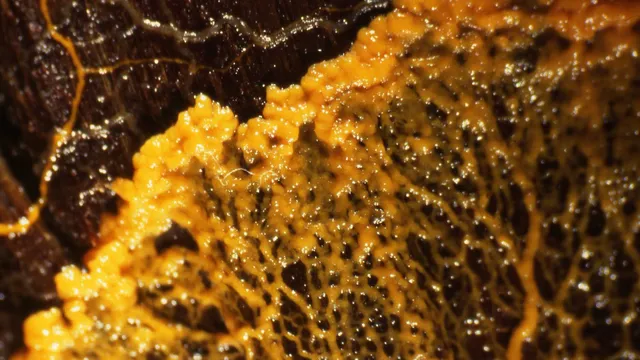
Intelligence Without a Brain: Slime Molds, Ant Colonies, and Distributed Cognition
Two 2026 studies show decision-making without a nervous system: a single slime-mold cell working its way out of a light trap, and leaderless ant colonies that find shortcuts and build nests with no blueprint.
-
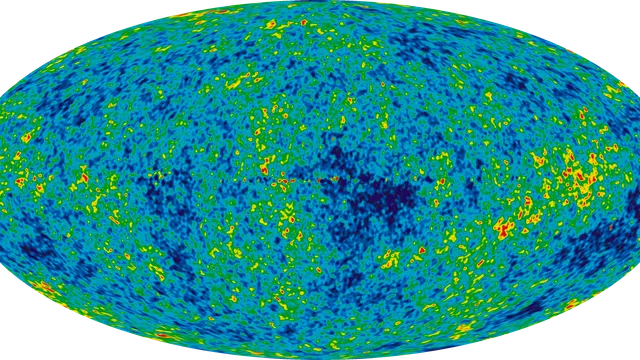
Supernova and BAO Data Show 2–4σ Deviations from Standard Cosmic Geometry
Three April 2026 arXiv papers report mild-to-moderate violations of FLRW geometry tests using Pantheon+ and DESI data; a 1,675-respondent APS survey finds no majority on dark energy or the Hubble tension.
-

The fog is alive—and it may be scrubbing toxins from the air
A 2026 mBio study finds bacteria growing inside radiation fog droplets and degrading formaldehyde 200 times faster than measured before, recasting fog as a living aquatic habitat.
-
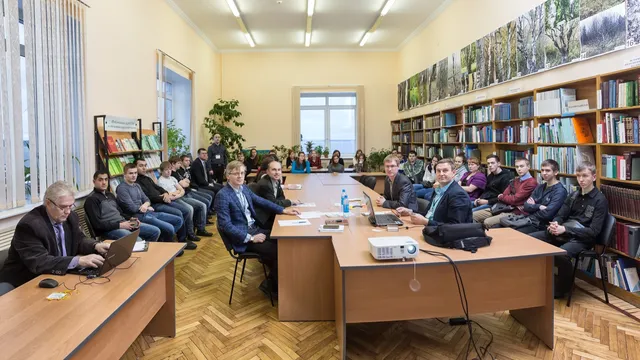
Open science works best when researchers help write the rules
A 2025 Science and Public Policy study by Erika Lilja finds that open-science mandates succeed only when they respect how researchers actually weigh ethics—what to share, when, and with whom.
-
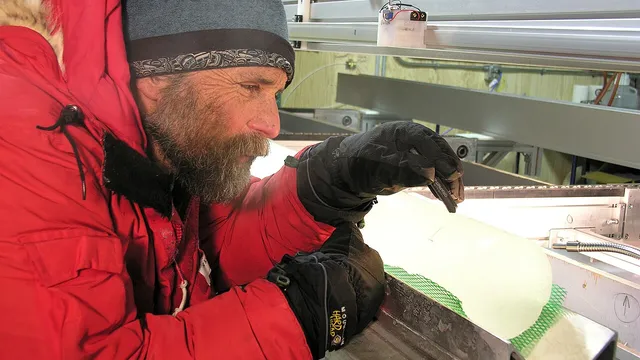
The galaxy left a receipt in Antarctic ice—and we finally read it
A 2026 Physical Review Letters study traces supernova iron-60 through 80,000 years of frozen snow, mapping the Solar System’s drift into the Local Interstellar Cloud.